 EN
EN
 AR
AR
 FR
FR
 DE
DE
 PT
PT
 RU
RU
 ES
ES
 TR
TR
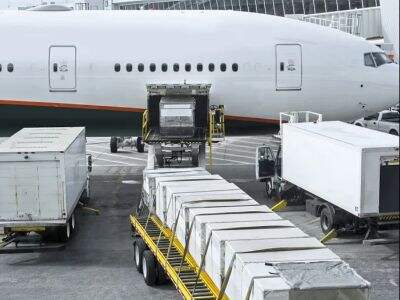
Moving dangerous goods can be tricky business, but a necessary one. It involves putting contents that could be unsafe — chemicals, explosives and other materials — in one place, then moving them to another, particularly across borders. When performed poorly, it causes accidents, harms the environment and can even hurt people We’re all about Health and Safety at HongYueXiang, making sure everything is done safely and correctly Dangerous goods must be prepared for transportation abroad carefully. It’s incumbent on everyone to follow rules and guidelines so that their product is safe to handle, travel and get down range
Where to Get Trusted Dangerous Goods Transport Guidelines
When you are searching for resources on how to transport hazardous materials safely, the first destination is where all things are found: The World Wide Web. Sometimes the best information comes from government sites As an example, countless government offices in the country have organizations that offer safety rules with respect to hauling hazardous products. These instructions will inform you about the Guidelines you must adhere to and how items are to be prepared for shipment. Trade groups for particular industries can also be useful. If you’re working with chemicals, for instance, your trade group may have more specific advice. And classes are offered in every major city and many small towns, along with books and manuals at libraries or bookstores. There are also guidelines made by an organisation that’s dedicated to drafting international shipping standards. These standards help to keep shipping safe and to ensure that companies comply with the rules of various countries
Let’s not forget webinars and online courses! There are many organizations that provide deep dives in to transporting hazardous materials with training sessions. These are typically facilitated by professionals. They can provide you with helpful tips and answer any questions. HongYueXiang also offers customers information on how to correctly store and transport products. Make sure you always verify if the information comes from a reliable source. Good-quality sources usually provide straightforward explanations and timely information, since the rules change very often
What are the Packaging Standards for Wholesale Dangerous Goods Shipping
Correct packaging should be used before sending dangerous goods. Packaging has to meet strict criteria in order for everyone to be safe.” For wholesale shipping, this often means using containers that are sturdy and won’t break. Depending on what you are shipping, the materials may need to be heat-resistant or prevent their contents from leaking. Bleile added that people should use materials tested for dangerous goods. This shows they can withstand pressure and won’t crack open in transit
A second important aspect of packaging is labeling. Every pack should have warning labels that tell what’s in it and how dangerous it is. These labels inform anyone who handles the package about its contents and assist emergency responders in case of a spill or leak. At HongYueXiang, we put a lot of attention in the packing service so that you can receive our products safely and in time Each package is provided with special boxes and seals to protect cushioning
It is worth us all remembering that other countries may have different rules relating to the packaging of dangerous goods. So it is very important to consult the local regulations at your shipping location. You need to verify that the packaging complies with your own country's regulations, as well as those of the destination country. For example some countries may need special documentation with the shipments, such as reports on what’s in the container how it is packed and whom to contact in an emergency. Sticking to protocol and ensuring packaging is secure prevents mishaps and ensures the safety of everyone involved, from the shipping process right up to end user
Which Documents Are Required for Dangerous Goods Wholesale Trading
If you want to send dangerous goods anywhere, including other countries, you need special papers. This is called documentation. The first thing you need to know is what constitutes dangerous goods. They are things that can harm people, animals or the environment. They can ignite, blow up or make people sick. So, it’s incredibly important to fill out the correct forms. The key paper is called the Dangerous Goods Declaration. This paper informs the people who carry the stuff what sort of danger they might be in. It’s warning to them. You must also provide such particulars as the quantity of dangerous goods you are carrying, in what packages and who is responsible for them
Another crucial document is the Material Safety Data Sheets (MSDS). It’s this sheet that lets anyone who handles the goods know what threats face them and how to stay safe. It describes the first aid procedures to follow if somebody is hurt. These papers must be ready before shipping. We at HongYueXiang always ensure these papers are fully completed and correct. And if there’s an issue, it can hold up delivery or even result in fines. These documents may be difficult to obtain, but everyone needs them for safety. You also will need to think about the local laws where you are shipping the goods. Shipping hazardous items is subject to different country regulations So before you go off to prepare your load, know the rules in your country and the country to which the goods are going. That way you won’t have problems at customs and things will go smoothly
How To Choose The Best Chemical Hazardous Goods Carrier
It is very important to pick the right carrier for transporting DG. A carrier is the business that will physically transport your goods, such as a truck or ship service. You’re going to want to start by finding a carrier that’s familiar with dealing in dangerous goods. They were to learn how these things can be safely managed. Ask if they are specifically trained or certified for that. You can look up online reviews to find out what others say about their service. You might also want to pose specific questions to them about their safety procedures. What happens if something goes wrong? At HongYueXiang, we consistently work with carriers who put safety and training first
Next, you need to consider your destination for your goods. While some carriers may operate only in certain regions, others can transport your goods anywhere on the planet. It could waste time if you pick a company that doesn’t travel to your destination. Price is a huge factor too when choosing a carrier. Some may offer lower prices but make sure they provide the same level of safety and service. And you can solicit quotes from various carriers and compare what they provide. Also, you have to think about communication. You need a carrier that lets you know what’s going on with your stuff. The god communication is to be able to solve problems fast. Finally, ensure vehicles and equipment are in good repair. Carriers are to employ those special containers and vehicles which have been specifically designed for dangerous goods. Locks included to keep your belongings secure during travel. After spotting a dependable shipper, you can be reassured that your items will reach the intended location just fine
Where to Get Training for Dangerous Goods Before Shipping Them
Dealing with hazardous entities is not everyone's cup of tea. Its use takes special training to be safe. The good news is there’s no shortage of places you can find training programs. Before anything else, search for training programs that specialize in dangerous goods. There are plenty of organizations that offer easily followed online courses. They’re courses that provide you with information on each different category of dangerous goods and what to do if any accidents were to occur. We think that everybody who works with this kind of goods should be trained, at HongYueXiang
You can also look into your community colleges or vocational schools. Classes on safe handling and transport of dangerous items are offered at many of these places. Local businesses might also have training programs. Some even provide hands-on training, which is very unexpected. And if you work for a big company, check whether they have their own training sessions. Working alongside and learning from experts is a antidote. It’s critical to verify that any training program you enroll in is approved and well-regarded. This will help you feel more confident and ready for your shipping jobs. You also need to maintain your training, I think. Dangerous goods regulations and rules can shift, so keeping up to date with ongoing education is crucial for safety and compliance. And, through good training, you can make sure shipping personnel and carriers are trained in the safe transportation of goods
Table of Contents
- Where to Get Trusted Dangerous Goods Transport Guidelines
- What are the Packaging Standards for Wholesale Dangerous Goods Shipping
- Which Documents Are Required for Dangerous Goods Wholesale Trading
- How To Choose The Best Chemical Hazardous Goods Carrier
- Where to Get Training for Dangerous Goods Before Shipping Them